Unlacquered Brass Kitchen Faucets, Pot Fillers ✦ Catalog
Hand-cast from virgin solid brass in Marrakech ateliers for bespoke culinary sculleries and chef kitchens. Featuring heavy-walled bridge faucets with architectural straight legs, dual-pivot pot fillers engineered for 60,000 BTU ranges, and hand-beaten undermount bar sinks. Built with standard 1/2" NPT American plumbing fittings, quarter-turn drip-free ceramic cartridges, and an authentic unlacquered living finish that ages gracefully over time.
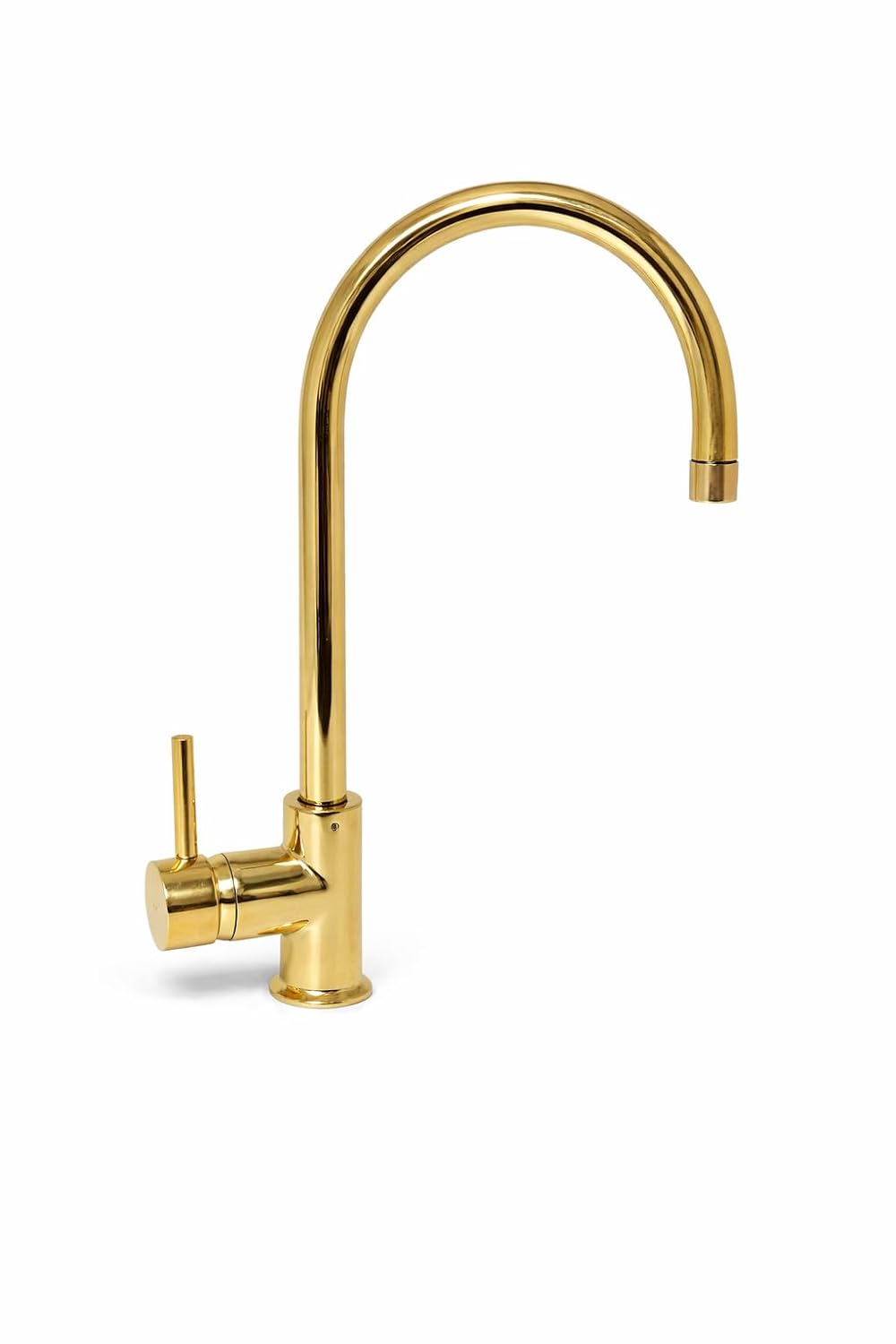
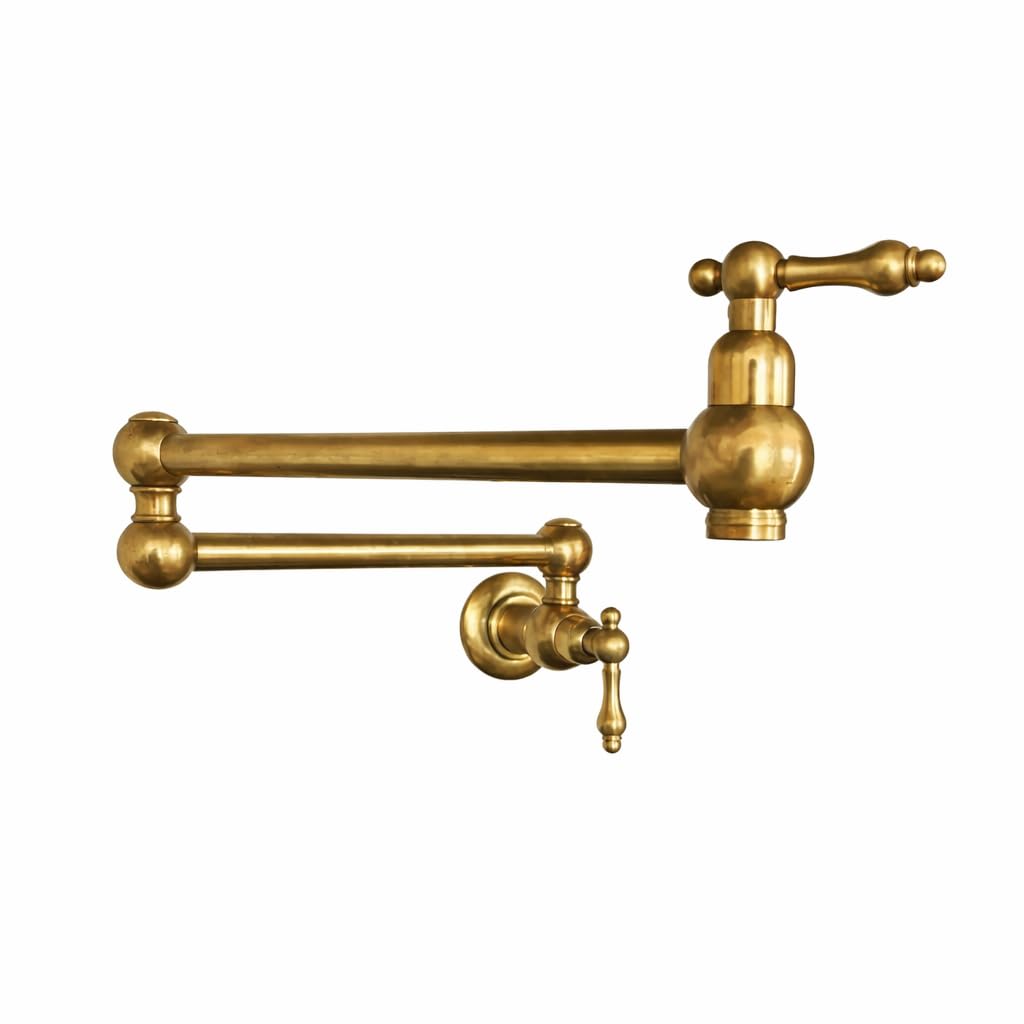
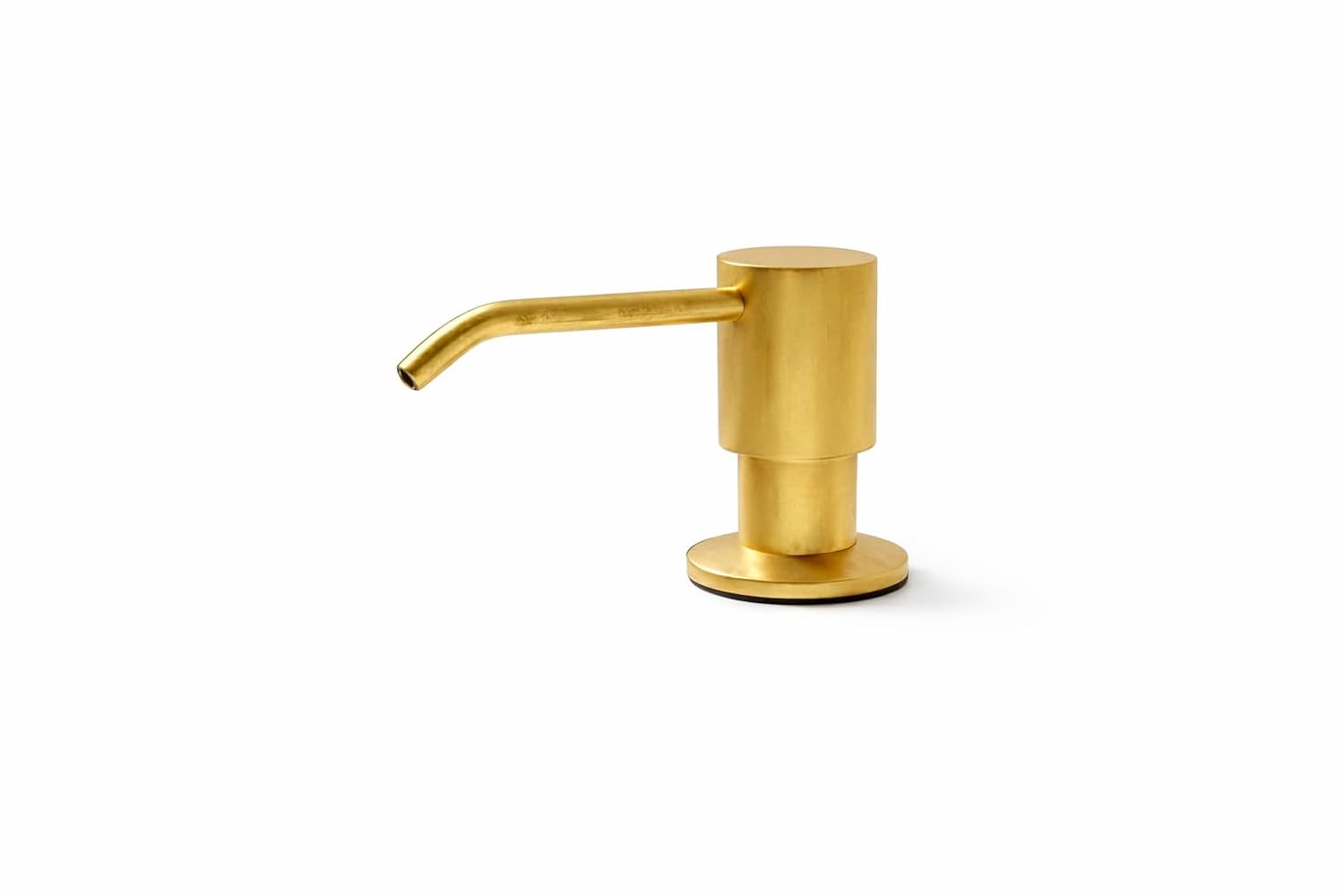
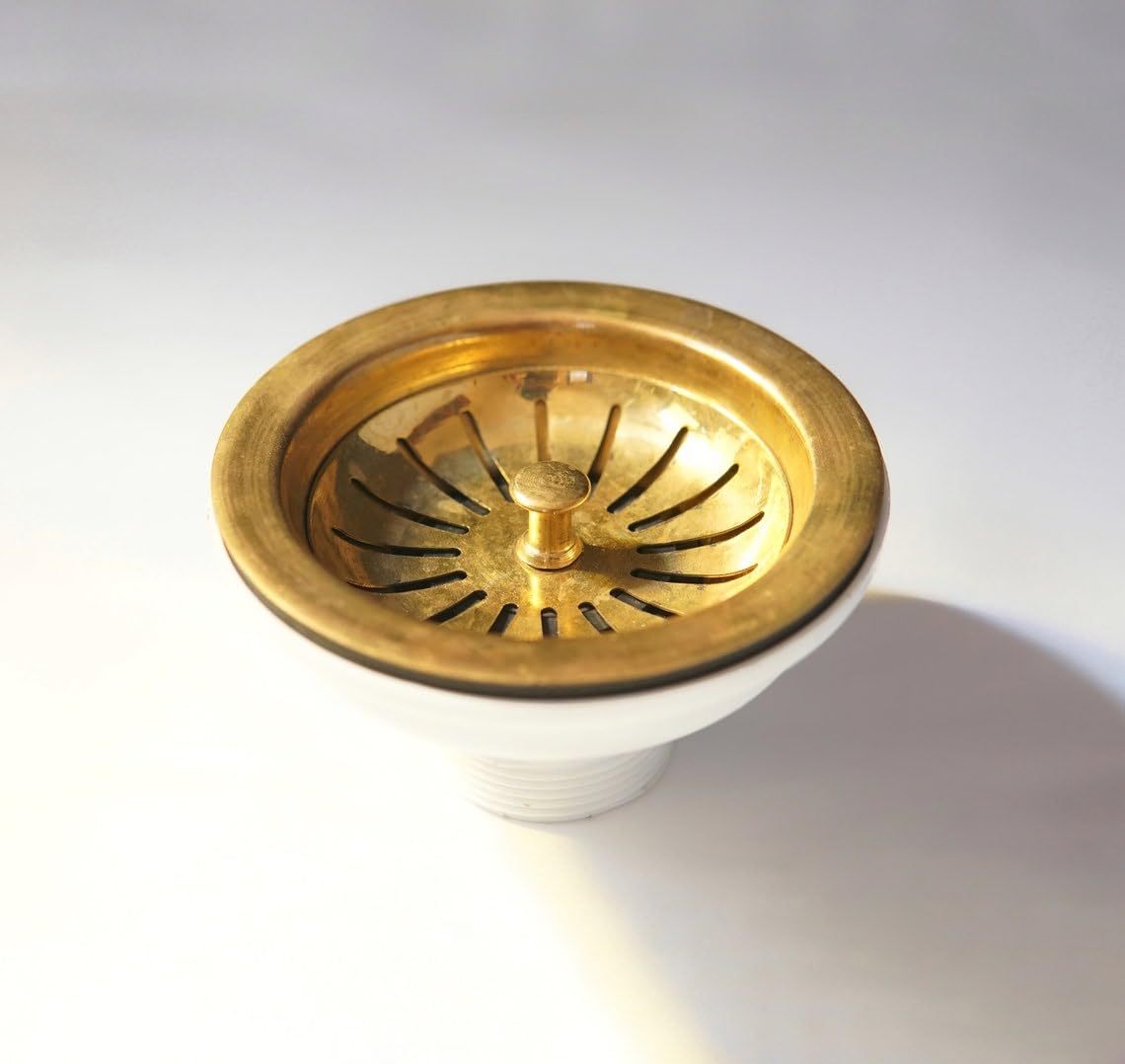
Artisan Kitchen Plumbing: Handcrafted Moroccan Metalsmithing
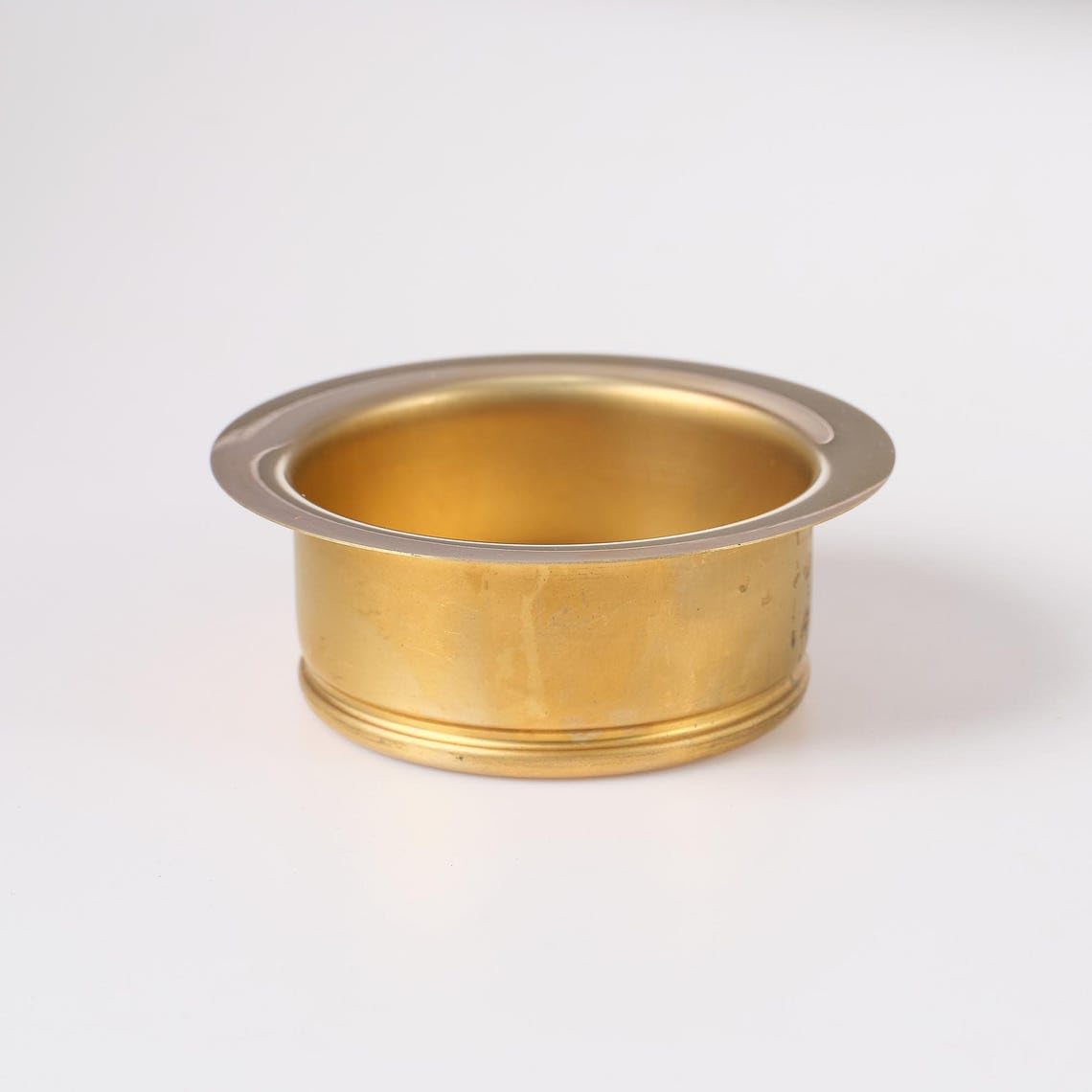
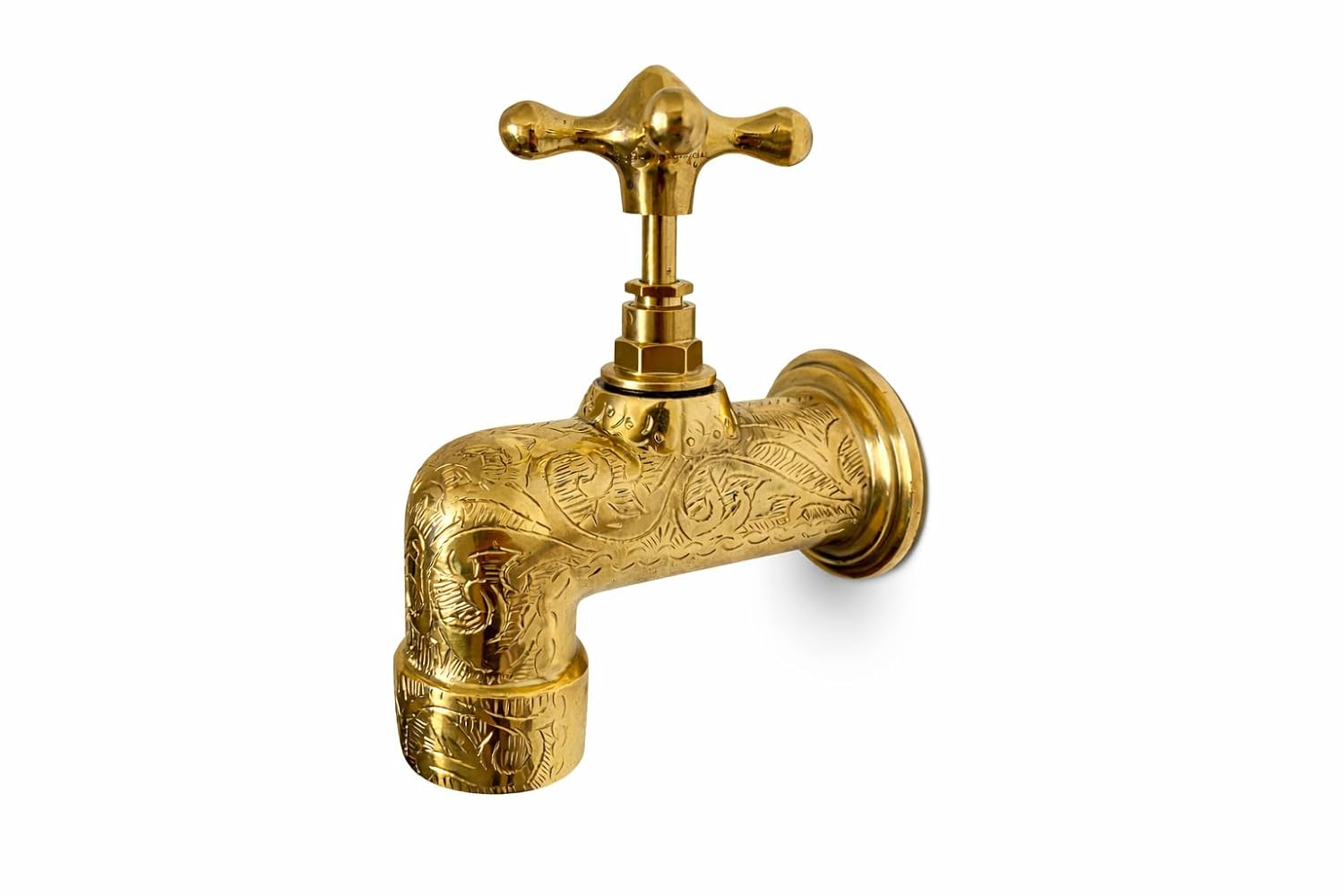
In modern kitchen design, plumbing fixtures are the functional heart of the room. Hand-machined in Marrakech from solid architectural brass, our kitchen fittings withstand intense stove heat, boiling vapors, and commercial water pressures without artificial clear-lacquers that yellow or blister.
1/2" NPT & Ceramic Cartridges
Engineered to standard US plumbing threads with commercial 1/4-turn ceramic disc valves. Tested to 500,000 drip-free on/off cycles under 80 PSI municipal water pressure.
Backsplash Heat Immunity
Mounted directly over 60,000 BTU gas burners, synthetic lacquers fail within months. Solid raw brass is non-reactive to heat, developing an organic deep amber patina from cooking vapors.
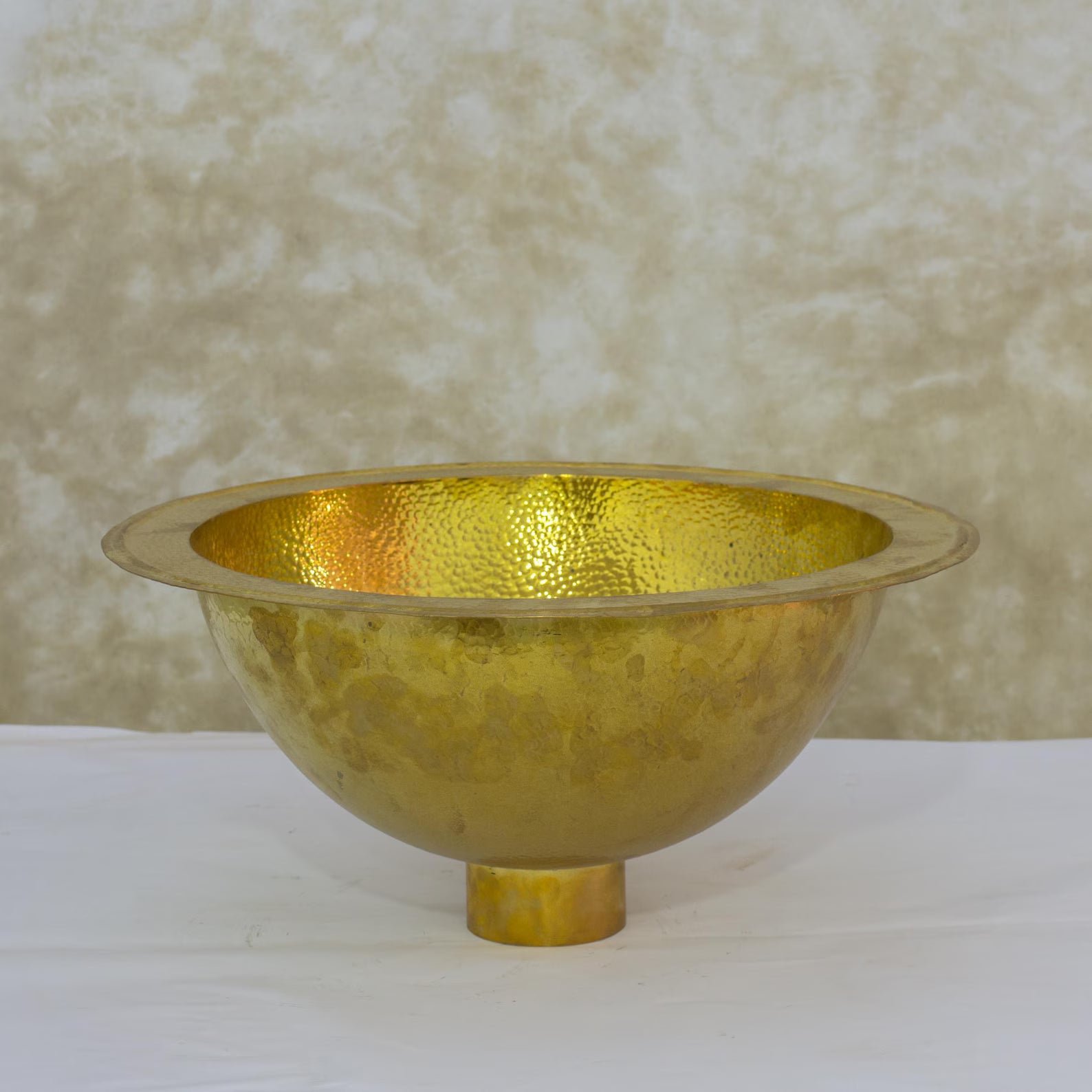
Hand-Beaten 16-Gauge Sinks
Our bar and prep sinks are shaped from heavy 16-gauge sheet brass over 18 hours of rhythmic hand-hammering in Marrakech souks, creating thousands of micro-facets that catch light like liquid gold.
Related Specification & Care Guides
deVOL vs. Waterstone vs. Rejuvenation vs. Newport Brass vs. Kingston Brass: The Definitive Comparison
Specifying luxury brass requires navigating distinct manufacturing philosophies—from English artisan workshops and American precision CNC suites to Moroccan sand-cast foundries. We compare deVOL, Waterstone, Rejuvenation, and Newport Brass on raw metal integrity, living patina behavior, valve mechanics, and price-to-craft value.
Unlacquered Brass Kitchen Faucets: Bridge Faucets, Goosenecks & Cross Handles
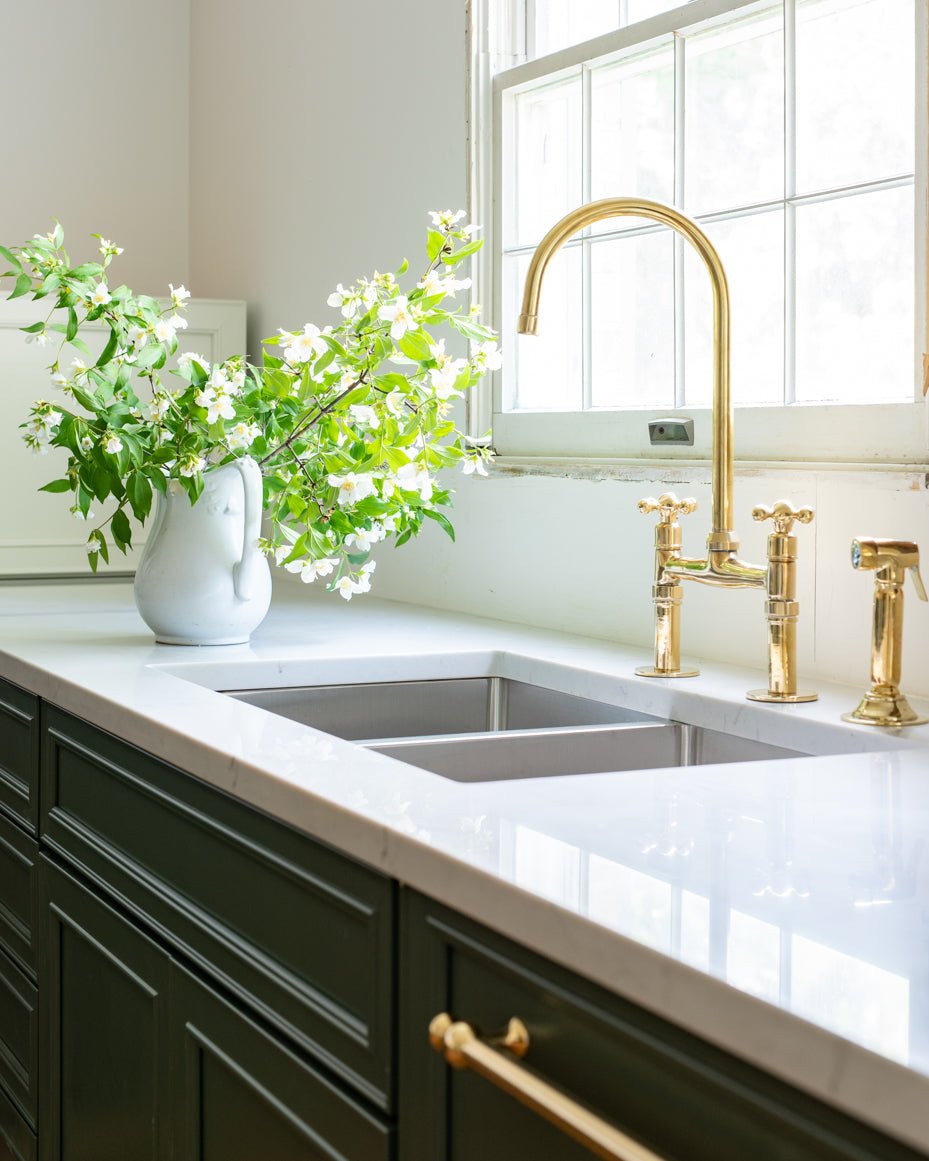
The kitchen faucet is the kinetic centerpiece of the culinary workspace. Specifying unlacquered brass kitchen faucets demands understanding how an exposed mixing bridge, high-arc gooseneck spout clearance, and 4-point cross handles perform under constant daily water contact and natural atmospheric patina.
The Architectural Pot Filler Faucet Guide: Specs, Rough-In Height & Living Brass Care
A stove-side pot filler faucet transforms kitchen culinary ergonomics by delivering high-flow water directly over cooking ranges. Specifying solid unlacquered brass pot fillers requires coordinating in-wall rough-in heights, dual-joint swing arm clearance, dual shutoff valve mechanics, and living metal patina development around high-heat cooking zones.
Wall-Mount Brass Faucets: Culinary & Bathroom Rough-In, Spout Reach & Vanity Pairing
Wall-mounted brass faucets elevate kitchen backsplashes and bathroom vanities by freeing countertops from deck penetrations. Mastering wall-mount installations requires precise coordination between rough-in plumbing depth, finished wall thicknesses, spout reach projection, and basin center alignment.
Architectural Notes & Living Patina Care
What makes an unlacquered brass faucet superior to mass-market electroplated fixtures?
Mass-market faucets utilize die-cast zinc or plastic cores covered with a paper-thin electroplated chemical wash that easily blisters, chips, and corrodes under routine kitchen use. Solid unlacquered brass is 100% pure metallurgical alloy (CuZn37) throughout. It contains zero ferrous core, never peels or rusts, can withstand intense commercial range heat, and naturally develops a deep, golden-amber living patina over time.
What is the difference between a bridge kitchen faucet and a single-hole gooseneck faucet?
A bridge kitchen faucet features an exposed horizontal pipe connecting hot and cold supplies across a classic 8-inch two-hole deck spread, creating an architectural European scullery centerpiece. A single-hole gooseneck faucet features an integrated single-body mixer with a 360-degree high-clearance spout, ideal for modern chef islands or single-drilling stone countertops.
What is the recommended rough-in height for a wall-mount unlacquered brass pot filler?
The universal architectural standard is to rough in the 1/2" NPT brass water supply 12 to 14 inches above the highest grate of your cooktop. This provides ample vertical clearance to swing over tall 16-quart stockpots while preventing heat impingement from 20,000 to 60,000 BTU gas burners.
Are Medina Brass kitchen faucets and pot fillers compatible with standard US plumbing codes?
Yes, 100%. All our kitchen bridge faucets, single-hole mixers, and pot fillers feature standard 1/2" NPT female pipe threads, heavy-gauge brass lock nuts, and commercial ceramic disc cartridges tested to 500,000 drip-free cycles under pressures up to 80 PSI.
How do I care for unlacquered brass around cooking oils, citrus juices, and tomato acid?
Unlacquered brass is a living metal. Acidic splashes (such as lemon juice or vinegar) will temporarily brighten the spot by stripping surface oxidation. Simply rinse with warm water and wipe with a soft cloth; within days, the natural patina will re-level itself. To protect against heavy grease, buff the brass periodically with Renaissance microcrystalline wax or olive-oil beeswax paste.